Context
A WooCommerce store running on WordPress with years of accumulated technical debt. The site had been built and modified by multiple hands over time — each intervention leaving behind plugins, scripts, and configurations that were never cleaned up.
By the time the audit was requested, the store had 29 active plugins, a failing SSL rating, 7 known vulnerabilities, and a PageSpeed score of 31 on mobile.
Problem
The store was technically functional but dangerously fragile. The checkout process had intermittent errors. Security vulnerabilities were left unpatched. Performance was critical — mobile PageSpeed of 31 means the majority of mobile visitors were abandoning before the page finished loading.
The client had no visibility into what was causing the issues or which plugins were even necessary.
Diagnosis
Constraints
Implementation
Plugin audit and reduction: reviewed each of the 29 plugins against actual site functionality. Removed 17 redundant, conflicting, or abandoned plugins. Consolidated overlapping functionality. Final stack: 12 plugins, each with a documented purpose.
Security hardening: patched all 7 CVEs via plugin updates and PHP configuration changes. SSL reconfigured — Grade C → A. Security headers implemented. 2FA enabled on admin accounts.
Performance optimization: WP Rocket installed and configured — caching, minification, lazy loading. Image compression applied across the media library. Render-blocking scripts deferred.
Checkout fix: identified Stripe webhook misconfiguration as root cause of transaction errors. Webhook endpoint corrected and validated. Checkout restored to 0% error rate.
Tradeoffs
Removing 17 plugins required verifying each removal didn't break functionality. Three plugins were replaced with lighter alternatives rather than removed outright. The process took longer than a simple deletion sweep but produced a more stable result.
Stack
Before / After
| Metric | Before | After |
|---|---|---|
| Active plugins | 29 | 12 |
| Mobile PageSpeed | 31 | 74 |
| SSL Labs grade | C | A |
| CVEs patched | 0 | 7 |
| Checkout errors | Intermittent | 0% |
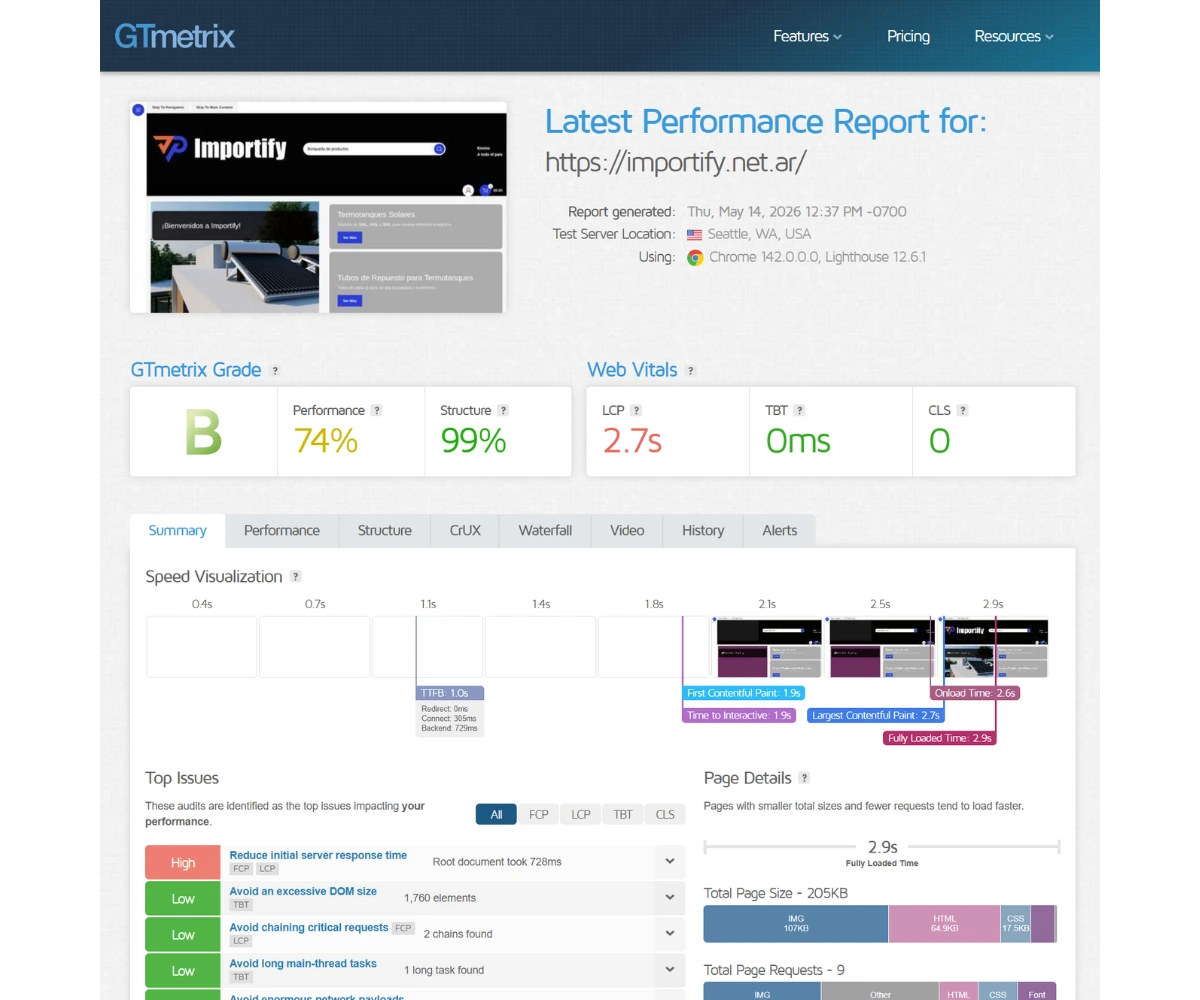
GTmetrix Grade B · Performance 74% · LCP 2.7s · CLS 0 · May 2026
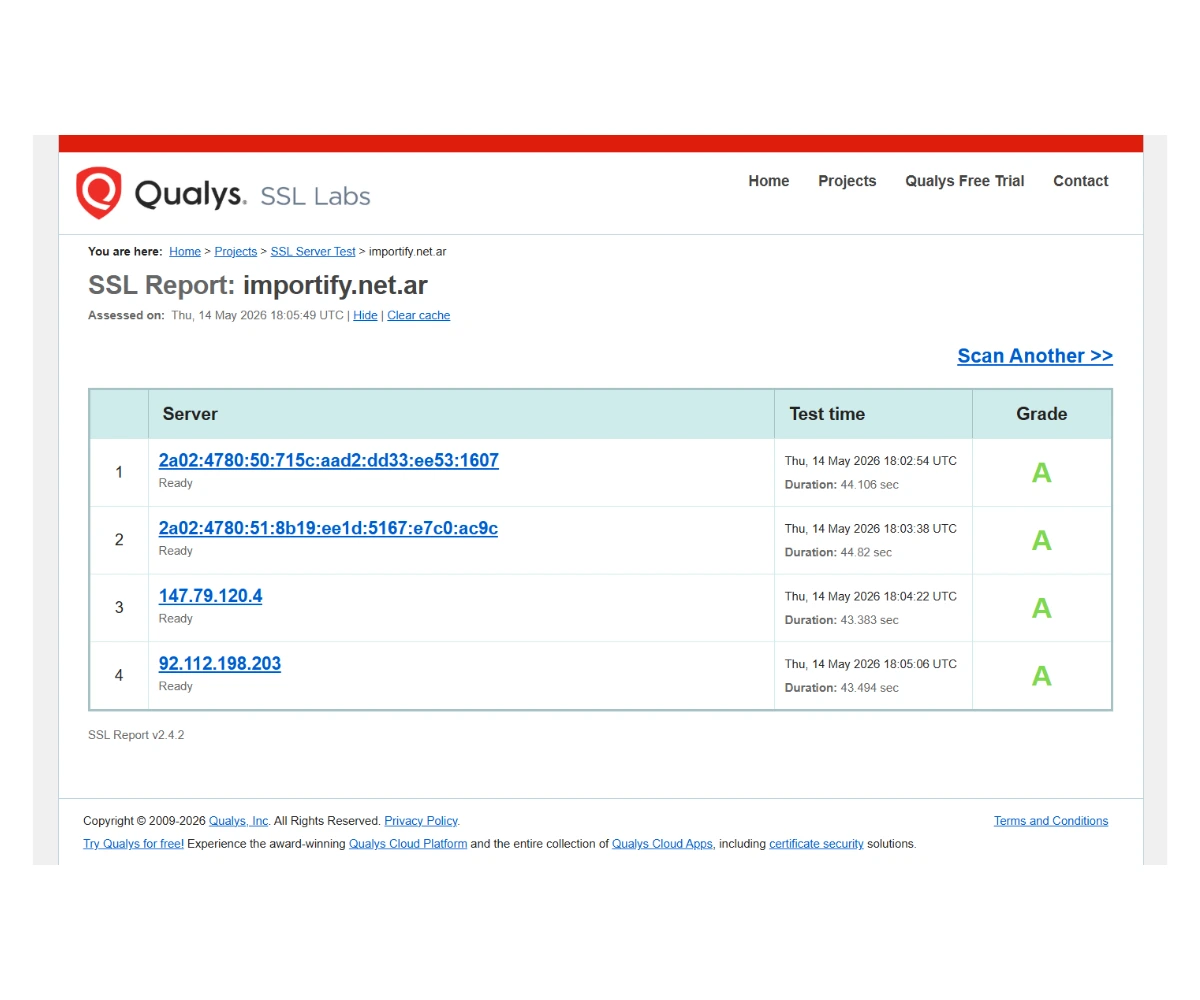
SSL Labs Grade A · 4 servers · May 2026
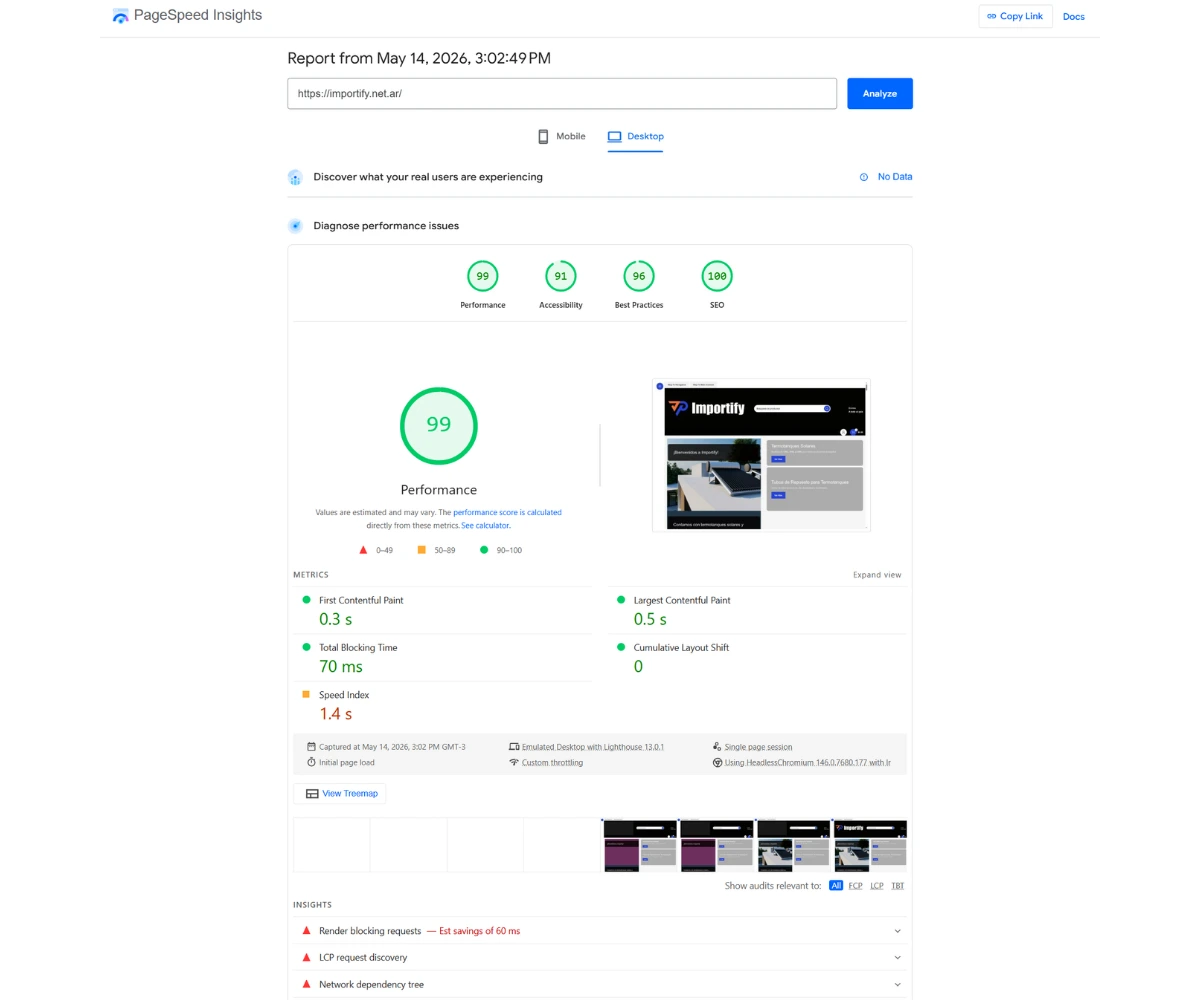
PageSpeed Desktop 99 · Accessibility 91 · LCP 0.5s · May 2026
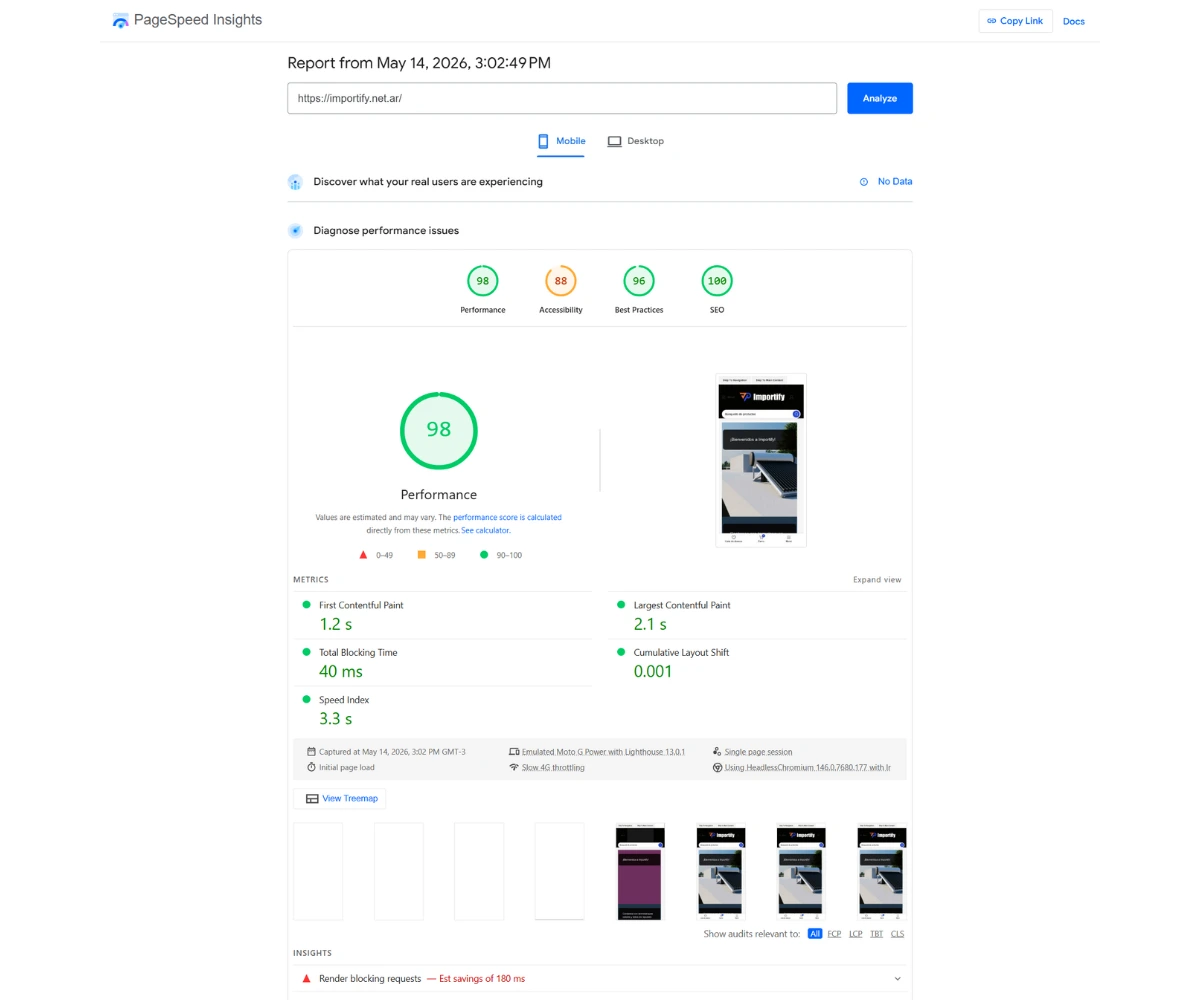
PageSpeed Mobile 98 · Accessibility 88 · LCP 2.1s · May 2026
Outcome
Store stabilized and secured. Checkout running cleanly. Performance improved from critical to functional. Client handed off a documented plugin inventory and security baseline they can maintain going forward.
Lessons
Plugin bloat is the most common root cause of WooCommerce instability. The problem isn't any single plugin — it's the cumulative weight of years of additions without removals. A disciplined audit that asks "what does this actually do and is it still needed" resolves more issues than any optimization sprint.